Cancer Control 2013
According to World Health Organization statistics, more than 60% of cancer deaths occur in the developing world, bringing suffering and tragedy to those afflicted. Cancer Control 2013, produced in association with the International Network for Cancer Treatment and Research, brings together articles, case-studies, opinion and experience on the scale of cancer prevalence in emerging health systems and how professionals are confronting the disease. For featured articles click the boxes below, otherwise for an index of articles from the 2013 edition of Cancer Care 2013, please click here
Featured articles from Cancer Control 2013
Building capacity for cancer control in the lesser-resourced world – factors influencing success, value and satisfaction
Building capacity for improved health care and cancer control in lesser-resourced countries is necessary and urgent. While acknowledging that vital contributions can be made in disaster relief, opportunities for cooperation and collaboration to build system capacity in settings of chronic insufficiencies are highlighted.
Ignorance is not Strength: the need for a Global Evidence Base for Cancer Control in Developing Countries (old)
In the Introduction to his pamphlet Common Sense published in 1776, Thomas Paine wrote “A long habit of not thinking a thing wrong, gives it a superficial appearance of being right”1. This is demonstrably true when it comes to the marshalling of published evidence relevant to cancer control in low- and middle-income countries.
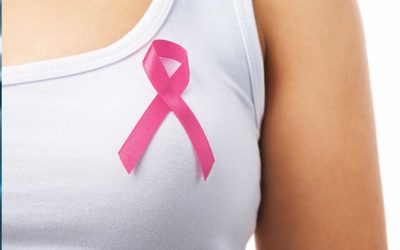
Context-relevant guidelines in cancer care: breast cancer early detection, diagnosis and treatment in low- and middle-income countries
Resource constraints in developing health systems require difficult allocation decisions to optimize cancer outcomes. Cancer care guidelines developed in high-income countries have limited utility in developing countries, because many of the resources described in the ideal health care delivery system are unavailable or unaffordable, making it unclear where to begin in creating a realistic and sustainable cancer control strategy.
The role of the South and East Mediterranean College of Oncology
The South and East Mediterranean College of Oncology (SEMCO) is a nonprofit, nongovernmental initiative that aims to enhance professional and public education in all fields of cancer control, to expand scientific efforts and education to increase appropriate cancer management and to contribute in increasing human capacity building in order to raise the present modest contribution of the region in international cancer clinical trials to at least 10% of the world’s cancer trials by the year 2022.
Overcoming Challenges in Conducting Clinical Trials in Africa
The African Burkitt Lymphoma Strategy Group of the International Network for Cancer Treatment and Research (INCTR) recently published the results of the first 356 patients treated according to a uniform clinical research protocol (INCTR 03-06) from 2004 through the end of 2009
The development of paediatric oncology in the Philippines
The establishment of the clinical fellowship training programme in paediatric haematology-oncology provided the impetus for the development of the subspecialty in the Philippines.